The Ultimate Guide on How to Track Fitness Progress (And Why You Might Be Doing It Wrong)
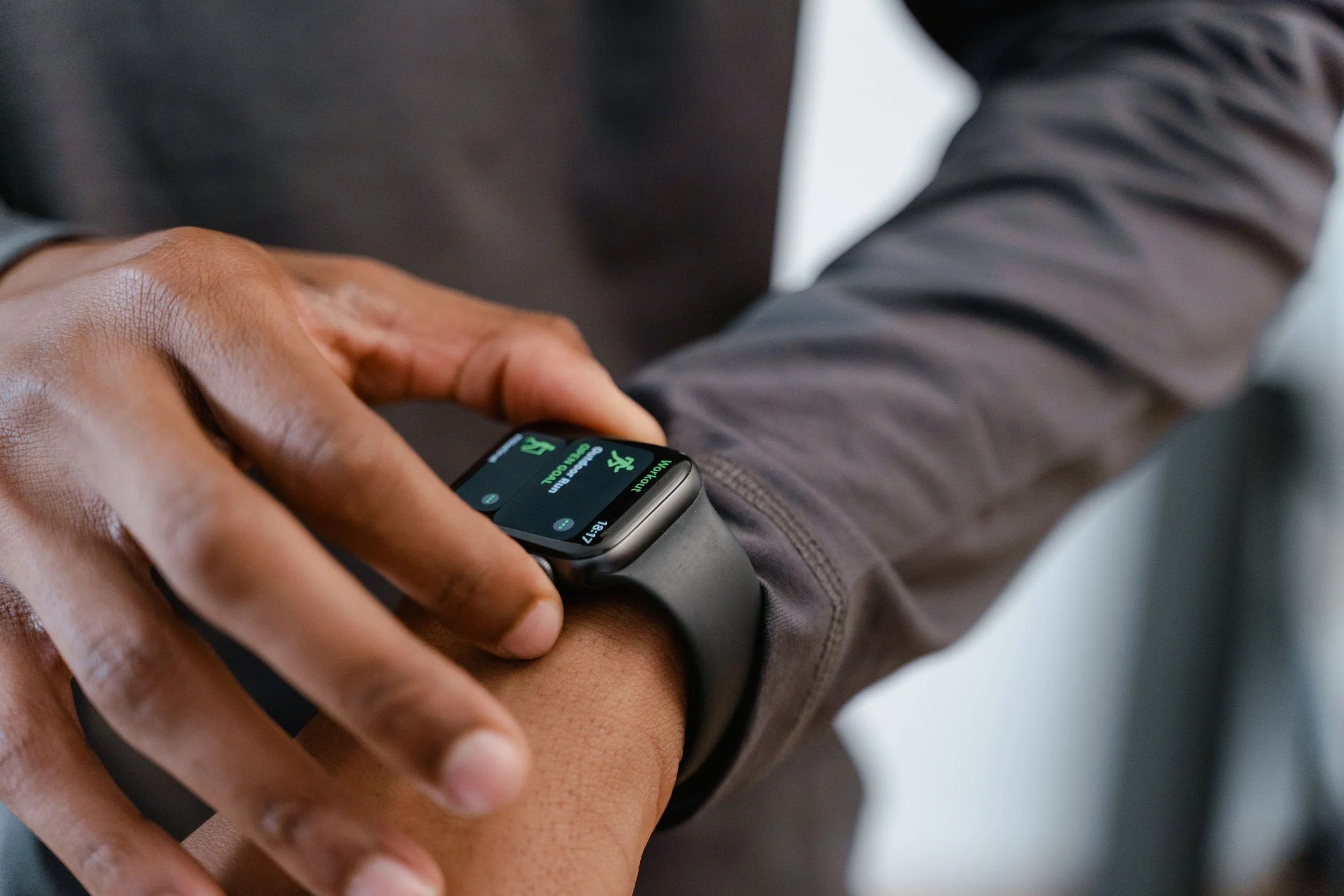
Progress isn't always obvious from one workout to the next. You might complete the same exercise with better control, recover more comfortably after a demanding session, or notice that something that used to leave you exhausted now fits into your week without much thought. Those changes can be easy to overlook when you're focused on one number.
That's why learning how to track fitness progress matters. The scale can tell you one thing, but it can't tell you everything. If you're putting time into your training, you need a way to see whether that effort is actually moving you closer to what you want from your fitness.
For busy professionals, this matters even more. You already have enough decisions competing for your attention. Your fitness routine shouldn't leave you wondering every few weeks whether you should start over. The better approach is to track the things that actually connect to your goals.
Why Tracking Fitness Progress Matters
A workout can feel productive without actually telling you much about your long-term progress. You might leave the gym tired and assume you had a great session. But being tired isn't the same thing as improving.
A useful fitness progress tracking system gives you something to compare. You can look at what you were doing several weeks ago and see whether your performance, consistency, recovery, or daily capacity has changed. This is one reason structured coaching can be helpful. SoFit currently includes workout tracking through its app, allowing members to log exercises, monitor performance, and communicate with their trainer. You don't need to track every detail of your life. You need enough information to understand what is happening with your training.
The Scale Isn't the Only Way to Measure Progress
Weight can be one useful measurement for some people, but it shouldn't automatically become the definition of progress. Your weight can change because of normal fluctuations in hydration, food intake, stress, sleep, and other factors. That means a single weigh-in doesn't always tell you much about what happened during the previous few weeks of training.
If your goal is to become stronger, for example, your training performance may be much more relevant. If you're trying to build a consistent routine, your completed sessions may tell you more about your progress than the number on the scale.
The question isn't whether the scale is useful. It's whether you're asking it to answer a question it wasn't designed to answer.
1. Track Your Strength and Performance
One of the clearest ways to measure strength training progress is to look at what you're actually doing during your workouts. Think about an exercise you've been practicing consistently. Are you performing more repetitions with the same weight? Can you use more resistance while maintaining good technique? Has the movement become more controlled?
Those changes give you useful information because they're directly connected to your training. If you're following a structured strength training program, your coach can use those numbers to determine whether your current program is doing what it needs to do. When you're working without a plan, it's much easier to lose track of whether you're actually improving.
2. Track Your Workout Consistency
Progress isn't only about what happens during an individual session. It's also about whether you're actually completing the training you've planned. If you completed six sessions last month and eight this month, that's worth noting. If you missed several weeks because of work and then rebuilt a consistent routine, that matters too.
Workout consistency gives you context that a single performance measurement can't provide. You may not see a dramatic change in one particular exercise, but showing up consistently gives you more opportunities to develop the skills and capacity you're training for. This is especially important for people whose schedules change frequently. SoFit's current approach specifically emphasizes flexible scheduling and programming that accounts for work demands and travel.
3. Pay Attention to Recovery
Recovery can tell you a lot about how your body is responding to training. Think about how you feel after a demanding session compared with when you first started. Are you able to return to your normal routine more comfortably? Does the same workout feel more manageable now? Are you recovering well enough to continue with your planned training?
Research supports paying attention to these kinds of changes. A systematic review published in the British Journal of Sports Medicine found that subjective measures such as perceived fatigue, sleep quality, stress, and recovery can be useful for monitoring how someone is responding to training. The researchers noted that these self-reported measures can provide valuable information that may not be captured by more objective measures alone.
These aren't measurements you need to obsess over. They're observations that become more useful when you record them consistently. Looking at how you feel across several sessions can give you a clearer picture than judging recovery based on one particularly good or difficult day.
Your recovery can also help you and your coach decide when your program needs to be adjusted. A 2024 review of resistance training recovery found that training to failure and higher training volumes can increase recovery demands, with substantial variation between individuals. The authors recommend monitoring recovery and adjusting training volume as needed rather than assuming everyone responds to the same workload in the same way.
4. Measure Your Everyday Capacity
Some of the most meaningful changes happen outside the gym. Maybe you're less hesitant about taking the stairs at work. Maybe carrying something heavy feels easier. Maybe you can spend a weekend being active without feeling completely drained afterward. These improvements can be easy to miss because they don't show up neatly on a spreadsheet.
That's why fitness progress metrics should reflect what you actually care about. If your goal is to feel more capable during your everyday life, your tracking system should leave room for that. Progress doesn't always look like adding another plate to a bar. Sometimes it looks like having more capacity for the life you want to live.
5. Track Your Nutrition When It Supports Your Goal
Training doesn't happen in isolation. Your nutrition can influence your energy, recovery, and ability to support the work you're doing in the gym. That doesn't mean you need to track every bite of food. The right approach depends on your goals and your current routine.
For someone who wants more structure around nutrition, nutrition coaching in Orlando can provide guidance that connects eating habits with the rest of the training plan. SoFit's current services include nutritional coaching, meal tracking, customized nutrition plans, and ongoing support. The point isn't to create another spreadsheet that makes your life harder. It's to understand whether your daily habits are supporting what you're asking your body to do.
Why You Might Be Tracking the Wrong Things
A common problem with fitness tracking isn't a lack of information. It's tracking information that doesn't actually answer your question. If you're trying to improve strength but only checking your weight, you may not have a clear picture of your training. If you're trying to build consistency but only looking at how you feel after each workout, you may miss the fact that you've become much more consistent over several months.
Your measurements should connect to your goal. That's why a workout progress tracker can be useful when it's simple enough to maintain and specific enough to tell you something. The goal isn't to collect data for the sake of having data. It's to make your training easier to understand.
Don't Change Your Program Every Time Progress Feels Slow
One of the biggest problems with poor tracking is what happens afterward. You have a few difficult weeks. You don't see the change you expected. You assume the program isn't working, so you switch to something completely different.
Then you have to start learning a new routine again. Without enough continuity, it's difficult to know whether the original program needed changing in the first place. You may have been making progress that simply wasn't being measured. A structured approach gives you something to look back on before you make your next decision.
What Six Weeks Can Tell You
Six weeks is long enough to create some useful continuity without making a training block feel endless. During that period, you have multiple opportunities to repeat key movements, record your performance, notice changes in recovery, and see whether you're actually completing the sessions you planned.
That doesn't mean six weeks is the perfect timeframe for every person. Someone new to training may need a different approach from someone with years of experience. A person with a demanding work schedule may also need more flexibility in the way their training is structured. The important part is having a defined period with a clear purpose. Instead of asking, "What workout should I do today?" you're working toward something you can evaluate several weeks from now.
A Busy Professional's Progress Doesn't Always Look Like a Number
One SoFit case study illustrates why progress needs to be measured in context. The client was a busy lawyer with a fluctuating schedule. Her biggest challenge wasn't a lack of interest in fitness. It was finding a routine that could work when no two weeks looked exactly the same.
Coach Schneider adjusted her programming when her professional demands changed. When time was limited, the workout could be condensed. When circumstances changed, the session could be adapted rather than forcing her to abandon the routine completely. She described getting her workouts in as seamless despite having a schedule that changed from week to week.
That's an important part of tracking progress. Sometimes the thing you're measuring isn't simply how much you can lift. It's whether your training has become something you can actually maintain within your life.
How to Build a Simple Fitness Progress Tracking System
You don't need a complicated spreadsheet to start. Choose a few measurements that relate directly to your goals. Record your training performance, keep track of completed sessions, note relevant recovery changes, and pay attention to improvements in your everyday capacity.
If nutrition is an important part of your goal, you can track the habits that matter without turning every meal into a calculation. The goal is to have enough information to look back and say, "This is where I started, and this is what has changed." That's much more useful than relying on how you happen to feel on a Tuesday afternoon.
When a Coach Can Help
Sometimes the hardest part isn't recording the information. It's knowing what to do with it. A coach can look at your training history and help you identify patterns that are difficult to see when you're managing everything yourself. They can also help determine when a program needs to change and when it simply needs more time.
At SoFit, progress tracking is built into the coaching experience. Members can track workouts through the SoFit App, while coaches can use that information alongside training goals and program adjustments. That gives you more than a record of what you did. It gives your coach something concrete to work with when deciding what comes next.
Ready to Start Tracking Your Progress Differently?
If you've been training consistently but aren't sure whether you're actually getting better, you don't necessarily need another workout. You may need a clearer way to measure what's happening.
At SoFit, the process starts with understanding your goals, schedule, current challenges, and fitness level before building a plan around them. The first session includes a workout and movement assessment, with progress tracking built into the ongoing coaching process.
If you're in Downtown Orlando, College Park, or the surrounding Orlando area, learn more about SoFit and see whether personalized coaching is the right fit for you.
Your Questions About How to Track Fitness Progress, Answered
Knowing what to measure can make your training much easier to understand. If you're unsure whether you're tracking the right things, these questions can help you build a simpler approach.
How do I track fitness progress?
Start by choosing measurements that connect directly to your goal. If you're working on strength, record exercises, repetitions, resistance, and relevant notes about your technique. If consistency is the priority, keep track of completed training sessions. You can also pay attention to recovery and changes in your everyday capacity. The best system is one you can maintain long enough to compare where you were with where you are now.
What is the best way to track strength training progress?
The best approach is to record your training performance consistently. Write down the exercise, the amount of resistance used, the number of repetitions completed, and any relevant notes about how the movement felt. Over time, you can compare those records to see whether your performance has changed. A structured strength training program makes this easier because you have a clear plan against which to measure your performance.
Should I use a workout progress tracker?
A workout progress tracker can be useful if it makes your training easier to understand. It doesn't need to be complicated. You can record your workouts in an app, notebook, or another system that you'll actually use. SoFit currently provides workout tracking through its app as part of its coaching experience. The important thing is that you can look back at your training instead of relying entirely on memory.
How can I track fitness progress without focusing on weight?
Look at measurements that relate to your actual goal. If you're focused on strength, track your training performance. If consistency is important, track completed sessions. If your goal is to feel more capable in daily life, pay attention to activities that have become easier or more manageable. This gives you a broader view of your fitness progress without making the scale the center of every decision.
Can personal training help me track fitness progress?
Yes. Personal training in Orlando can give you both a structured training plan and someone who can help interpret your progress. Instead of simply recording what happened during a workout, your coach can look at your training history and use that information when adjusting your program. This can be particularly helpful if your schedule changes frequently or you're unsure which measurements actually matter for your goals.