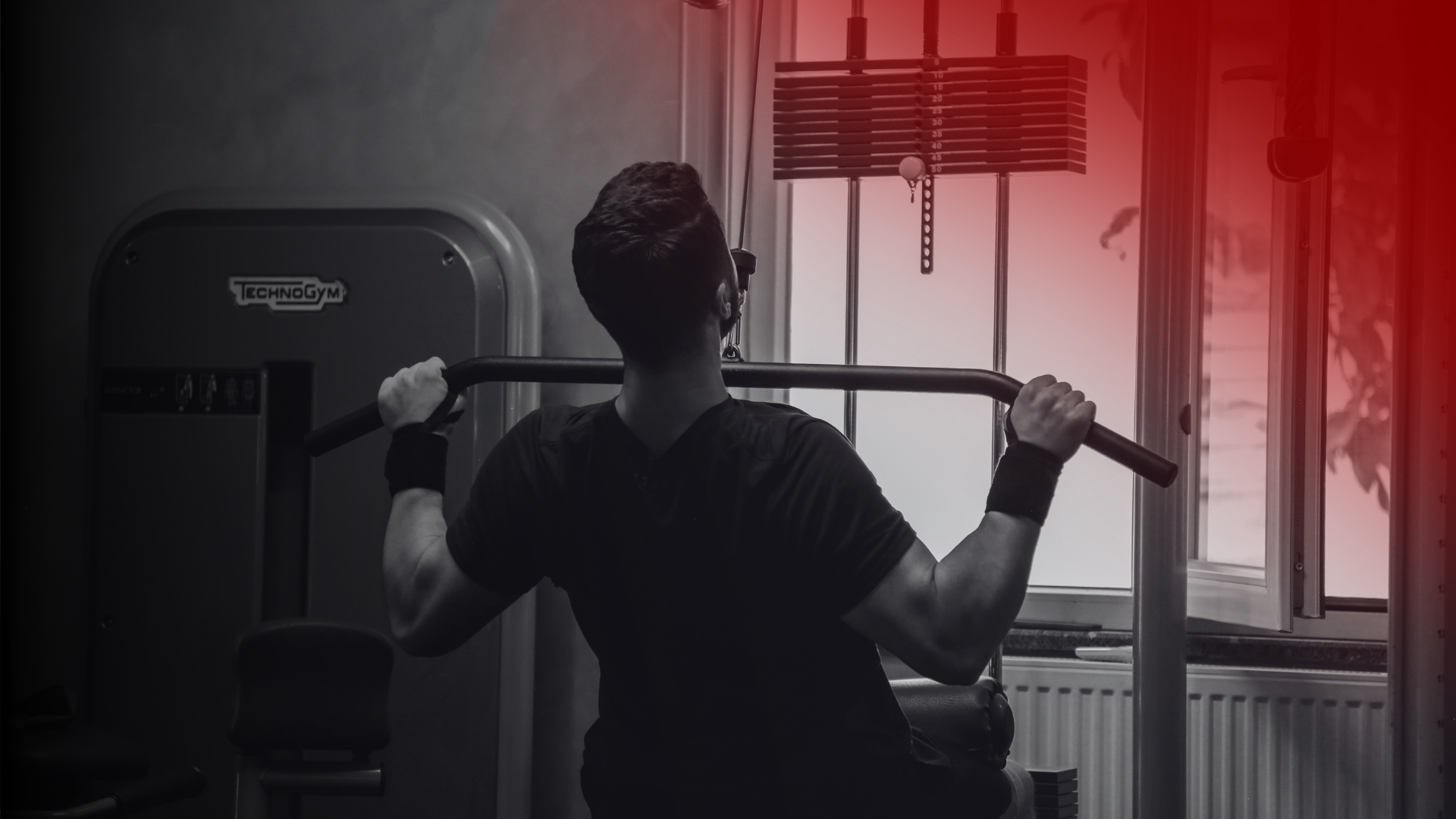
One of the most common questions beginners ask when starting the gym is how much muscle can you build in your first year of training. With social media transformations everywhere, it can sometimes feel like massive changes happen overnight.
A study from the National Library of Medicine says that beginners can gain about 4 to 7 pounds of muscle in the first three months of lifting. Some people can put on even more. The reality though is that muscle growth takes time, consistency, and realistic expectations. While beginners often experience faster progress early on, sustainable results rarely happen instantly and they differ depending on one’s body composition.
Understanding how much muscle you can build in your first year can help people focus less on unrealistic comparisons and more on building habits they can actually maintain long term.
Understanding Beginner Muscle Growth
Factors like genetics, sleep, nutrition, workout consistency, stress levels, and training quality all affect muscle building progress and how much muscle you can build. Some beginners may notice visible changes quickly, while others experience slower but still meaningful improvements. For those focused on building muscle for beginners, the first year is often when the body adapts most rapidly to resistance training. This period is sometimes associated with noticeable improvements in:
Strength
Workout performance
Muscle definition
Exercise confidence
Recovery capacity
However, realistic expectations still matter. Sustainable realistic muscle gain is usually gradual rather than dramatic.
What Are Newbie Gains?
One reason beginners often progress faster initially is because of what many people call newbie gains. Newbie gains refer to the rapid improvements beginners sometimes experience during their first months of consistent training. Because the body is adapting to a completely new stimulus, strength and muscle growth may happen more efficiently compared to later stages of training.
However, it is important not to confuse newbie gains with unlimited growth. Progress naturally slows over time, which is completely normal.
The Importance of Consistency and Recovery
One of the biggest factors affecting muscle growth timeline is consistency. Many people start highly motivated but struggle to maintain routines long enough to see meaningful results. Consistent workouts, adequate recovery, and proper nutrition usually matter far more than chasing “perfect” programs. Moreover, a lack of recovery or de-load periods can cause delayed onset muscle soreness or DOMS, as well as other injuries.
Common Mistakes That Slow Progress
While beginners may experience strong early progress, certain habits can slow down muscle building progress significantly. Some of the most common mistakes include:
Inconsistent workouts
Poor sleep habits
Not eating enough protein
Excessive cardio without recovery
Unrealistic expectations
Frequently changing workout programs
These habits may interfere with strength training results even when someone feels motivated initially. This is why education and structure matter so much for people focused on building muscle for beginners. A balanced approach usually produces better long-term outcomes than extreme routines that are difficult to maintain.
Click here to learn the 5 Reasons You’re Not Building Muscle.
Why Social Media Creates Unrealistic Expectations
One challenge many beginners face when wondering “how much muscle can you build?” is unrealistic comparison. Online fitness content often highlights dramatic transformations without showing the years of consistency, genetics, editing, or lifestyle factors behind those results. This can create unhealthy muscle building expectations, especially for people asking how much muscle you can build in your first year. We go into this deeper in our article on body dysmorphia among gym goers.
In reality, healthy muscle growth is usually slower and more sustainable than viral transformation posts suggest. Visible changes happen gradually through consistent training, recovery, and nutrition habits repeated over time. Learning to focus on personal progress rather than constant comparison may help people stay more motivated long term.
Building Muscle Sustainably in Orlando
Building muscle successfully is rarely about perfection. More often, it comes down to consistency, patience, and realistic planning. Proper coaching, balanced nutrition, and structured workouts may help support safer and more effective progress.
What we make sure our members at SoFit understand is how much muscle you can build in your first year is not about chasing perfection but learning what realistic, healthy progress actually looks like and staying consistent long enough to experience it. Whether someone is focused on realistic muscle gain, improving strength, or simply building healthier habits, progress tends to happen most effectively when routines feel sustainable.
Common Questions About Beginner Muscle Growth
Starting a fitness journey often comes with questions about timelines, expectations, and results. Here are a few common questions beginners ask about how much muscle you can build in your first year.
How long does it take to see strength training results?
Most people begin noticing some strength training results within the first several weeks of consistent exercise, although visible muscle changes may take longer depending on training and nutrition habits. If it doesn’t feel too tangible for you yet, we recommend tracking your progress.
What affects muscle building progress the most?
Workout consistency, recovery, sleep, nutrition, and training quality all play major roles in muscle building progress over time. As for exercising itself, proper form and having a well-structured routine is very important. Luckily, we have a beginner’s guide for lifting and friendly coaches at SoFit who can help you through workouts safely, answer questions, and build a training plan that fits your goals, experience level, and lifestyle.
How important is nutrition for building muscle for beginners?
Nutrition is extremely important for building muscle for beginners because the body needs adequate protein, calories, and recovery support to build and repair muscle effectively. Check out our guide to building muscle on a budget with cheap sources of protein.