A Beginner’s Guide to Using Free Weights Safely
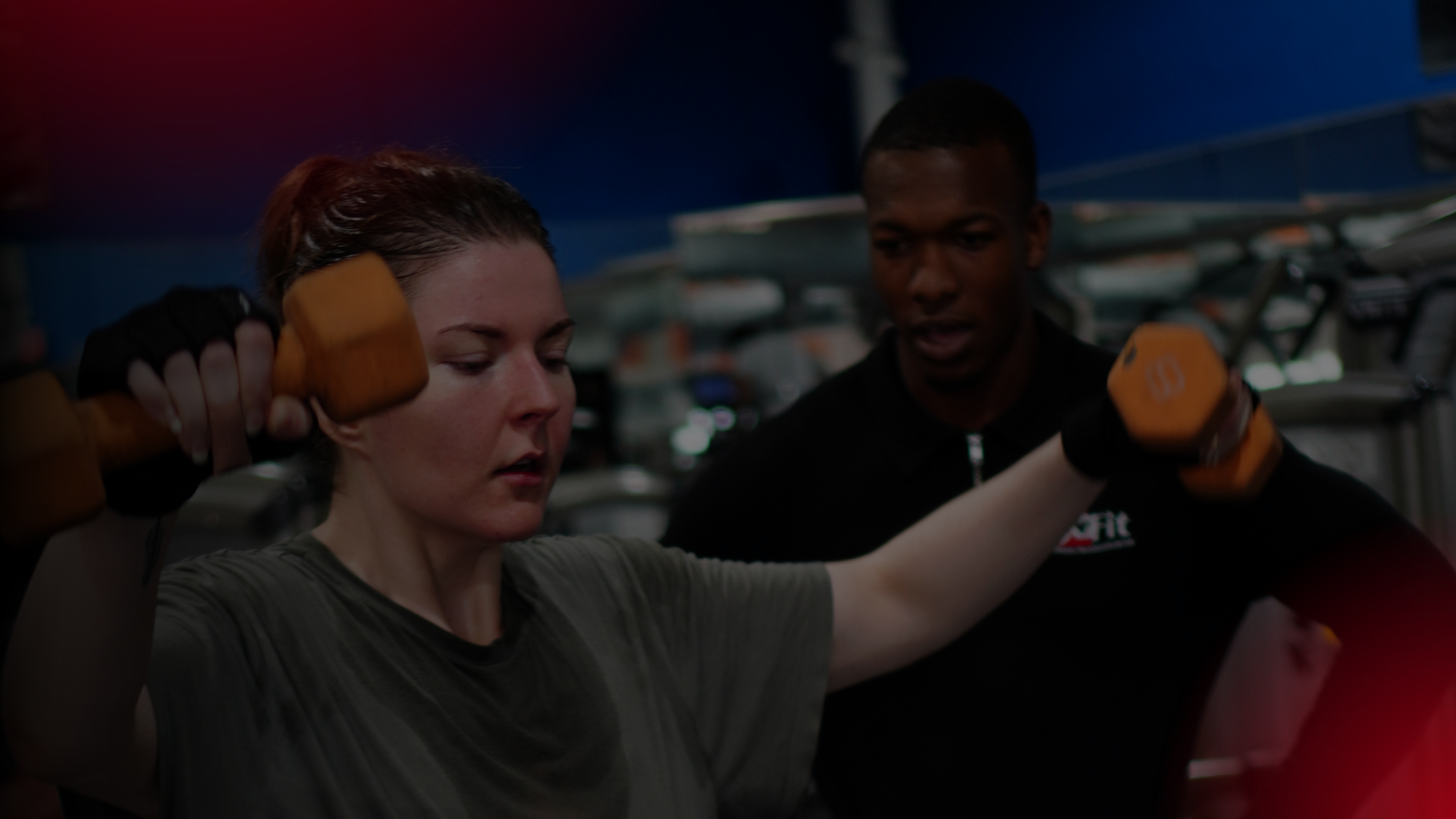
If you’re new to the gym, using free weights can feel intimidating. Many people hesitate because they’re unsure how to use free weights or worry about getting injured. That uncertainty is common, especially when you’re just starting out with strength training for beginners. Adults should perform muscle-strengthening activities at least twice per week, as stated in this comprehensive guide by the World Health Organization (WHO), and free weights are one of the simplest ways to meet that guideline. Luckily, free weights don’t have to be complicated and when approached correctly, they are one of the most effective tools for building strength, improving coordination, and supporting long-term fitness.
Why Learning How to Use Free Weights Matters
Before jumping into exercises, it’s important to understand why learning how to use free weights properly makes a difference. Unlike machines, free weights require your body to stabilize the movement. This means you’re not just lifting as you’re also developing balance and control. But without proper lifting form, that same freedom can increase the risk of injury. This is why beginners should focus less on lifting heavy and more on lifting weights correctly. Building that foundation early makes everything else easier and safer over time.
Focus on Proper Lifting Form Before Increasing Weight
One of the most important safe weightlifting tips is to prioritize technique over intensity. When starting free weights for beginners, it’s common to think progress means adding more weight. But real progress begins with:
Controlled movement instead of rushing reps
Full range of motion
Stable posture and alignment
Research from the National Institute of Arthritis and Musculoskeletal and Skin Diseases (NIAMS) emphasizes that proper technique reduces injury risk and improves long-term results. If you focus on lifting weights correctly early on, you’ll build strength more efficiently and reduce the chances of setbacks.
Start Simple with a Beginner Weightlifting Routine
When learning how to start lifting weights, simplicity is key. A well-structured beginner weightlifting routine doesn’t need to include dozens of exercises. Instead, focus on foundational movements such as:
Squats
Deadlifts
Presses
Rows
These exercises cover the major muscle groups and help you build a strong base in strength training for beginners. At SoFit, beginners are guided through structured programs. Instead of trying to figure out how to use free weights alone, you’re coached through each movement so your form and progression stay consistent.
Apply Practical Gym Safety Tips Every Session
Consistency matters, but safety matters more. Following basic gym safety tips ensures you can keep training without interruption. When working with free weights for beginners, keep these in mind:
Start with lighter weights and build gradually
Warm up before lifting
Rest between sets
Pay attention to how your body feels
These safe weightlifting tips aren’t just for beginners but habits that experienced lifters maintain over time. One of the biggest factors in avoiding injury when weight training is awareness. If something feels off, it’s better to adjust than push through.
Avoid Common Mistakes When Learning How to Use Free Weights
As you continue learning how to use free weights, certain patterns can slow progress or increase risk. Some of the most common include:
Lifting too heavy too soon
Ignoring proper lifting form
Skipping warm-ups
Changing routines too often
These mistakes often come from trying to do too much at once. In reality, consistency with a simple beginner weightlifting routine leads to better results. This is where structured environments like SoFit make a difference. Instead of guessing, you follow a clear plan designed to help you progress safely while focusing on lifting weights correctly.
Build Confidence Through Repetition and Structure
For many beginners, the hardest part is the mental aspect of working out. Feeling unsure in the gym often comes from not knowing what to do next, and that’s why repetition matters. When you follow a consistent plan, movements start to feel familiar. Over time, your confidence improves alongside your strength. This is one of the most overlooked aspects of strength training for beginners. Of course, building muscle is a priority, but so is building certainty in your routine. Read here about The Power of Consistency in Your Fitness Journey.
What Beginners Usually Ask About Free Weights
Starting something new often comes with a lot of uncertainty. Below are some common questions that come up when people begin learning how to start lifting weights, along with clear answers to help guide you.
How heavy should I start with free weights?
Start lighter than you think you need. The goal is to master proper lifting form first. Once your technique is consistent, you can gradually increase weight.
How often should beginners lift weights?
For most people, 2–3 sessions per week is enough for strength training for beginners. This allows your body to recover while still making progress.
Can I build muscle with just free weights?
Yes. When used properly, free weights for beginners are highly effective for building strength and muscle, especially when paired with a consistent routine and good nutrition. Think otherwise? Check out this article for mistakes you might be making.
Do I need a trainer to learn how to use free weights?
Not necessarily, but it helps especially if you’re a beginner. Guidance ensures you’re lifting weights correctly and following a plan that supports progress without unnecessary risk. Our trainers at SoFit are dedicated to helping you build confidence through structured, coached sessions so you’re not left figuring things out on your own.