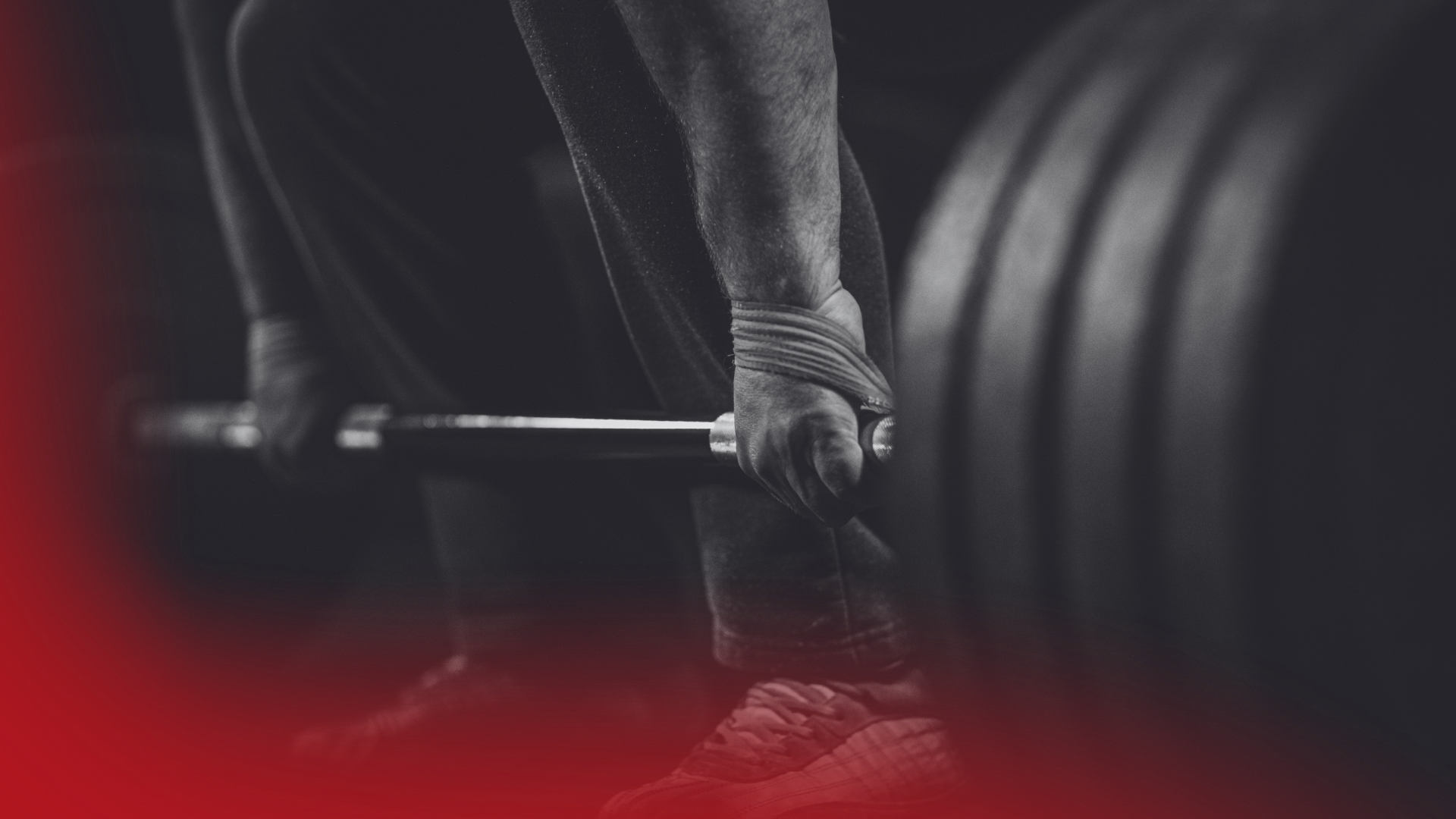
Walking into a gym can sometimes feel competitive. Social media clips, crowded weight rooms, and pressure to lift heavier can make people feel like strength is only measured by the amount of weight on the bar. This mindset often leads to ego lifting, which happens when someone uses more weight than they can safely or properly control. While it may look impressive temporarily, ego lifting can increase injury risk, reduce exercise effectiveness, and slow long-term progress. As a matter of fact, it came up as one of the most probable causes of exercise-related head injuries in 2024.
For many beginners in Orlando, learning how to train safely and consistently is far more valuable than trying to impress others in the gym.
What Is Ego Lifting?
In most cases, ego lifting refers to lifting too heavy at the expense of proper control, technique, or safety. This often happens when people prioritize appearance or comparison over effective training. Common examples include:
Sacrificing range of motion
Swinging weights with momentum
Using unsafe form to complete reps
Increasing weight too quickly
Ignoring physical warning signs
Many people unintentionally develop these habits because they believe heavier weights automatically mean faster progress. However, strength training mistakes like poor technique and uncontrolled lifting may reduce muscle engagement while placing unnecessary stress on joints and connective tissues.
Why Lifting Too Heavy Can Slow Progress
One of the biggest misconceptions in fitness is that heavier always means better. In reality, consistently lifting too heavy may actually interfere with proper muscle development and workout quality. When form breaks down, the target muscles often do less work while other parts of the body compensate. This is why proper lifting form matters so much for both safety and performance.
According to the Mayo Clinic, gradual progression and controlled movement patterns are important parts of safe resistance training. Improving technique first may help people train more effectively over time. A number of members at SoFit are beginners and they are encouraged to focus on movement quality before increasing resistance aggressively.
The Importance of Proper Lifting Form
One of the best ways to avoid ego lifting is by prioritizing proper lifting form from the beginning. Good form helps:
Improve muscle activation
Reduce unnecessary joint stress
Support better long-term progress
Lower injury risk
Improve exercise consistency
People often underestimate how much improving workout form can impact results. For example, a controlled squat with moderate weight is usually more effective than an unstable squat performed with excessive weight and poor mechanics. This is especially important for beginners learning how to lift weights safely. Developing strong movement patterns early may help prevent bad habits later on.
Why Beginners Are Especially Vulnerable to Ego Lifting
Many new gym members feel pressure to keep up with more experienced lifters. Social comparison, online fitness content, and gym culture can all contribute to ego lifting behaviors. This is one reason why beginner weightlifting tips should focus heavily on patience and consistency rather than maximum weight. Some of the most common gym mistakes beginners make include:
Skipping warm-ups
Increasing weight too quickly
Ignoring recovery
Comparing progress to others
Prioritizing numbers over technique
Learning safer muscle building techniques often creates better long-term results than constantly pushing heavier loads too early. For many people, confidence in the gym improves once they stop training for other people’s approval and start focusing on personal progress instead.
Understanding Progressive Overload Training
One important concept that often gets confused with ego lifting is progressive overload training. Unlike reckless weight increases, progressive overload training involves gradually increasing challenge over time in a controlled and sustainable way. This can include:
Adding small amounts of weight
Increasing repetitions
Improving exercise control
Slowing movement tempo
Improving consistency
The goal is steady improvement, not instant heavy lifting. Understanding the difference between progressive overload training and ego lifting can help people build strength more safely while avoiding unnecessary setbacks.
Prioritizing Longevity Over Impressing Others
Fitness progress is rarely built overnight. Sustainable results often come from consistency, recovery, and proper training habits repeated over time. Focusing too heavily on appearance or comparing yourself at the gym can sometimes distract people from what truly matters: safe, effective movement and long-term health.
At SoFit, everyone is encouraged to approach strength training with patience and realistic expectations. Whether someone is new to lifting or returning after time away from the gym, learning how to lift weights safely is often one of the most important foundations for lasting progress.
Common Questions About Ego Lifting
Gym advice online can sometimes make heavy lifting feel like the only path to progress. Here are a few common questions people ask about ego lifting and safer strength training habits.
What is ego lifting?
Ego lifting usually refers to using more weight than someone can safely or properly control, often to impress others or chase numbers rather than focus on effective training.
Why is lifting too heavy dangerous?
Consistently lifting too heavy may increase injury risk, cause delayed onset muscle soreness, reduce exercise effectiveness, and place unnecessary stress on joints and connective tissues.
Does lifting too heavy help me build muscle?
No. Actually, it is counterproductive. What will definitely help is consistency, workout intensity, proper lifting form, and nutrition. Click here to see the other reasons you’re not building muscle.